If you’ve ever felt guilty for ditching a run in favour of yoga… this one’s for you.
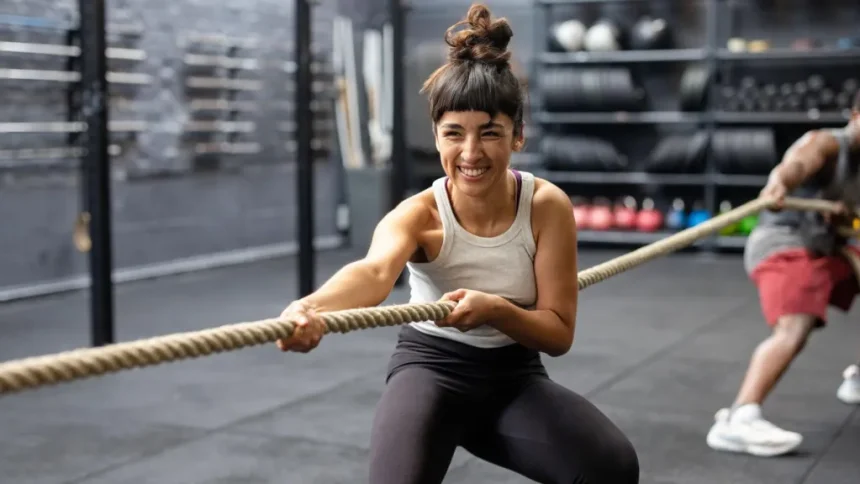
New research suggests that doing a mix of different types of exercise, rather than sticking rigidly to just one, could be the key to better health and a longer life.
After tracking the activity habits of more than 110,000 people over 30 years, researchers found that those who moved their bodies in the widest variety of ways were 19% less likely to die during that period than people who focused on a single type of exercise.
Yes, even more than walking. Even more than jogging.
In other words: your Pilates class, strength session, long walk, dance workout and occasional spin class?
They all count and together, they may be doing more than you think.
Why variety matters (especially for women)
The study, published in BMJ Medicine, found that while total activity still matters, people who combined different forms of movement saw the biggest benefits, including lower risk of death from heart disease, cancer and lung conditions.
Different exercises work different systems:
-
Cardio supports heart and lung health
-
Strength training protects bones, muscles and hormones
-
Mobility-based movement (like yoga or pilates) supports joints and mental wellbeing
And for women, whose bodies change across life stages, that balance matters.
“Combining activities that have complementary health benefits can be very helpful,” said Dr Yang Hu from Harvard School of Public Health, who led the research.
“Each one gives me something different”
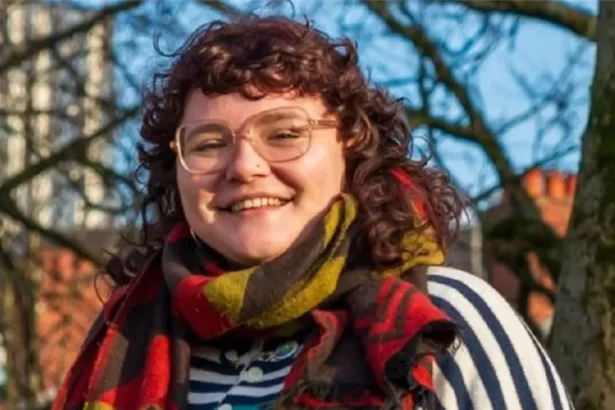
For 29-year-old Maddie Albon, movement isn’t about perfection, it’s about balance.
Based in London, Maddie trains for triathlons, but she also plays tennis, lifts weights, spins, and practises yoga and pilates.
“Each different exercise offers something different,” she said.
“To be good at running, you need strength training. And some days, yoga is exactly what my body needs.”
She says the variety supports her mental health just as much as her physical fitness.
“Sometimes I don’t have the energy for something intense. Having other options helps me stay consistent without burning out.”
That flexibility, choosing what your body needs on that day, is part of why mixed movement is so sustainable.
The sweet spot (without overdoing it)
Researchers found the biggest benefits came from around:
-
Six hours of moderate activity a week, or
-
Three hours of vigorous exercise
After that, the benefits levelled off, a reminder that more isn’t always better.
The NHS recommends adults aim for:
-
Strengthening activities at least two days a week
-
150 minutes of moderate or 75 minutes of vigorous activity weekly
-
Movement spread across the week
-
Less time sitting still
Moderate activity includes brisk walking, cycling, dancing and gardening.
Vigorous activity includes running, swimming, football or climbing stairs.
Strength work includes yoga, weight training, pilates and even carrying heavy shopping.
Yes, that counts too.
The real takeaway? Move more ways, not harder
This research backs something many women already know intuitively:
Your body thrives on variety, not punishment.
You don’t need a “perfect” routine.
You don’t need to do the same workout every day.
You don’t need to force yourself through movement you hate.
Walking, stretching, lifting, dancing, swimming, gardening, it all adds up.
And according to this long-term study, mixing it up could literally help you live longer.