Nigeria’s beauty and fashion scene is about to get loud again as the Miss Nigeria Organisation officially drops plans for its 2026 Beauty and Fashion Fair. Mark the calendar, March 22–23 at the Eko Hotel in Lagos, because this isn’t just another glam event. It’s the kickoff to the next Miss Nigeria season, wrapped in a bold theme: “She Is Made of More.”
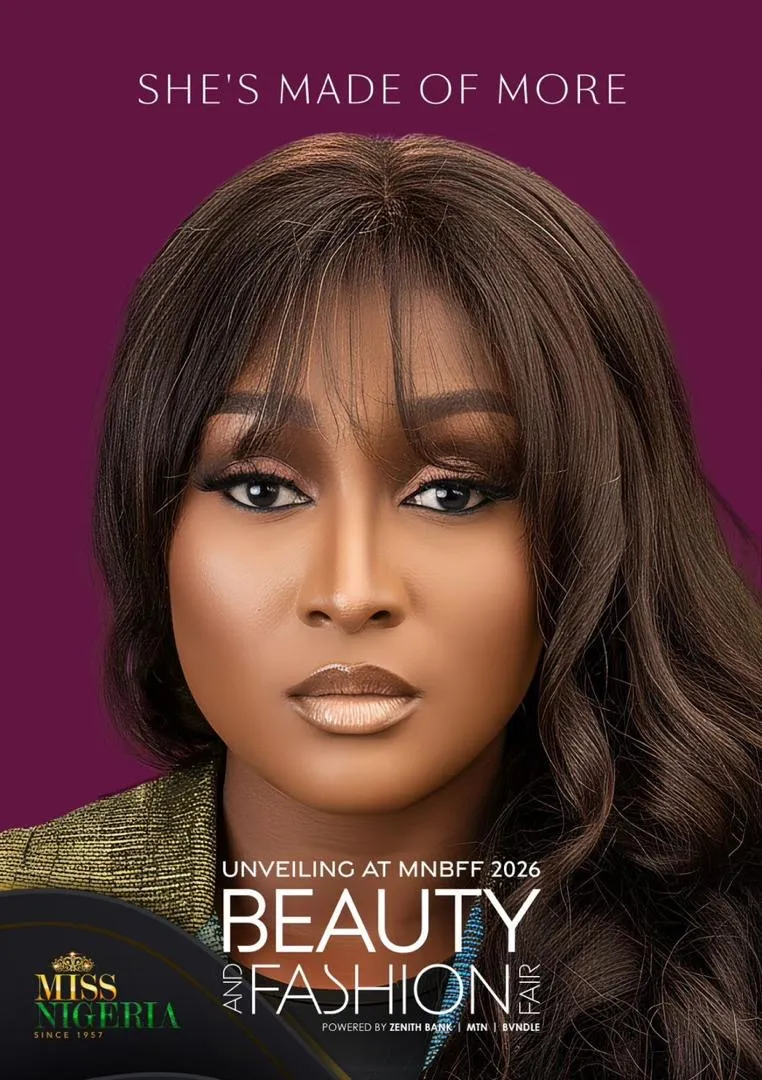
And honestly? The messaging hits differently in today’s culture. Beauty pageants aren’t just about crowns anymore, they’re about voice, influence, and how women show up beyond aesthetics. This year’s campaign leans fully into that shift, spotlighting women who lead, build, disrupt, and redefine what “beauty” even means.
The organisers aren’t stopping at pageantry either. They’re teaming up with the Daily Times Young Designer of the Year competition, a platform that has historically launched serious fashion talent. One of its most famous success stories, Folorunsho Alakija, went from emerging designer to global business powerhouse, proof that visibility plus opportunity can actually change trajectories.
This crossover between fashion discovery and pageant culture feels intentional. It’s less about spectacle and more about ecosystem, creatives, entrepreneurs, and culture shapers feeding into one another. For Gen Z especially, that collaborative energy matters more than traditional hierarchy.
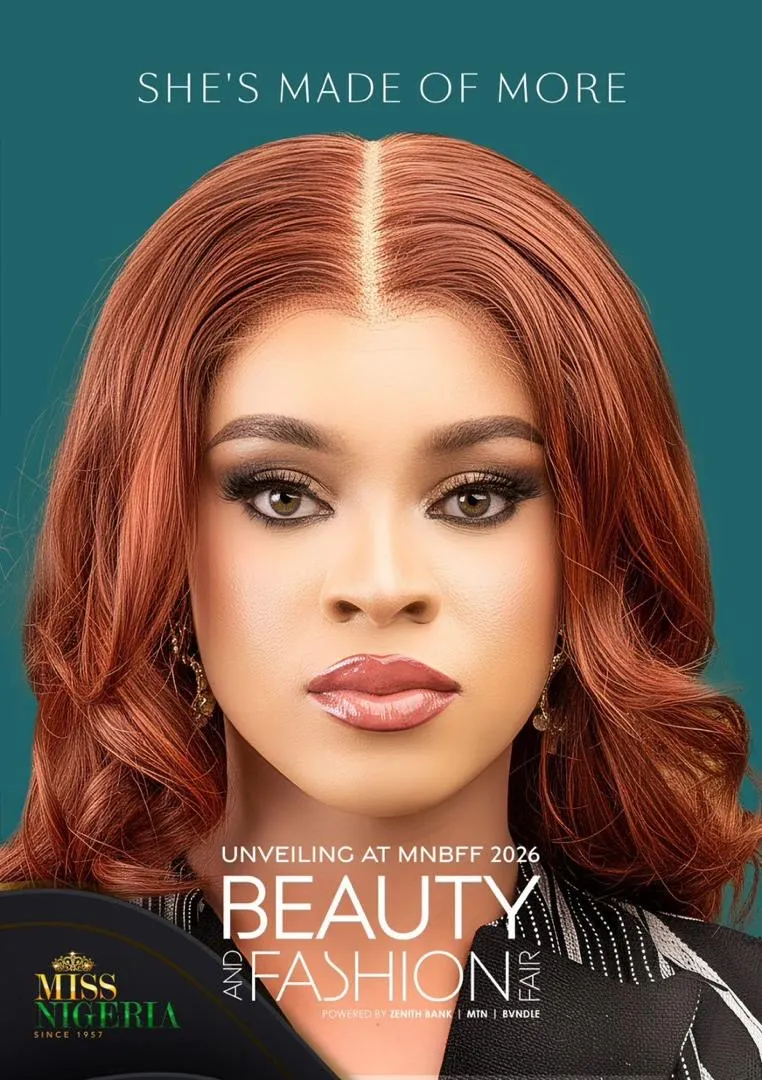
Chairperson Rita Dominic framed it as bigger than an event. She positioned the fair as a platform pushing resilience, ambition, and national pride, not just crowning a beauty queen but spotlighting future leaders. The language signals a shift: empowerment isn’t a buzzword here; it’s branding strategy.
Expect a mix of fashion showcases, beauty innovation, networking, emerging brands, and industry conversations. Basically, equal parts runway, marketplace, and cultural hangout. For young designers and beauty entrepreneurs, it’s prime visibility. For attendees, it’s inspiration with a side of aesthetics.
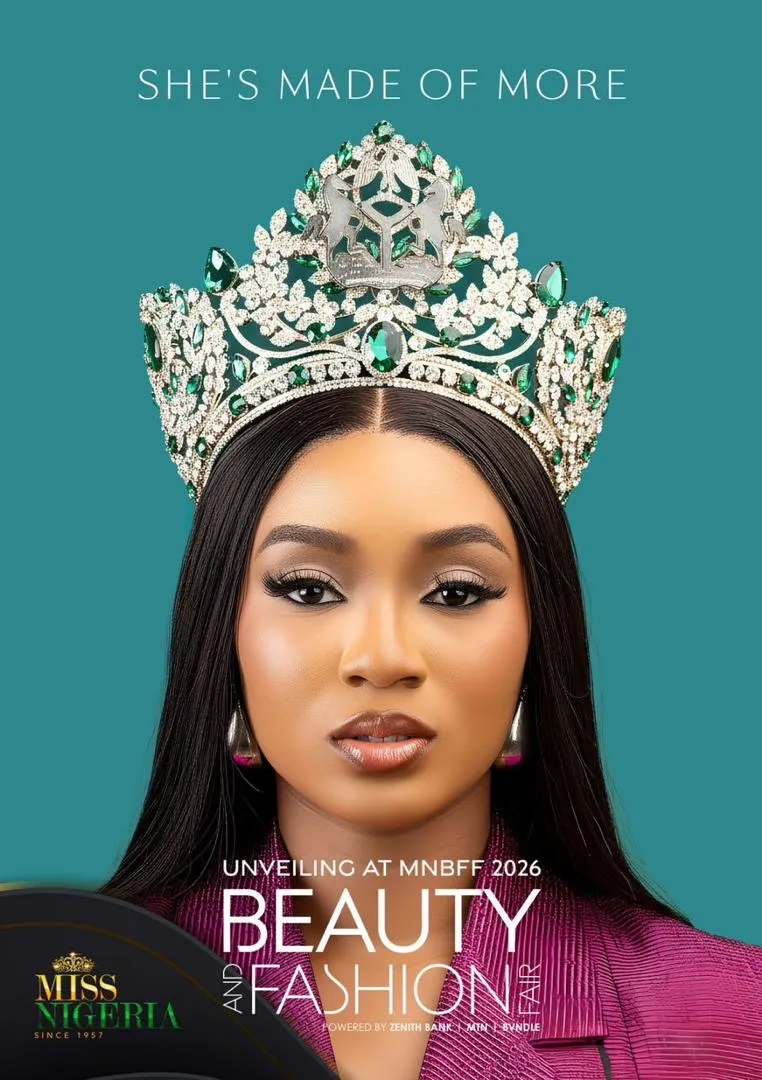
Our HerTangz take? This feels less like a pageant warm-up and more like a culture reset. Nigeria’s creative industries keep proving that style, business, and identity are intertwined and platforms like this are where the next wave usually starts.
If the theme holds true, 2026 might not just crown a queen, it might spotlight a generation ready to do more than pose.